Phone
Add
2026-04-22
Source:BioPharma Dive
Share:
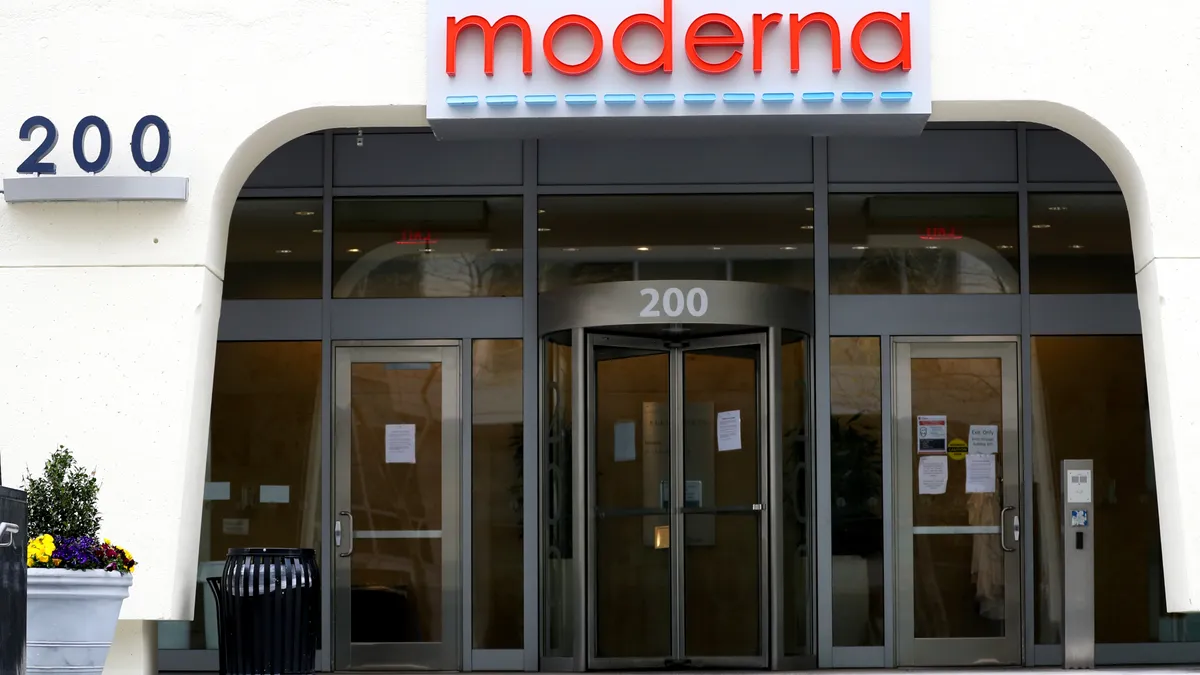
Moderna, a manufacturer of messenger RNA (mRNA) therapeutics, announced on April 21, 2026, that it is launching trials for an avian flu vaccine. Image source: Maddie Meyer via Getty Images.
Dive Brief:
Even after losing hundreds of millions of dollars in U.S. government funding, Moderna is pressing ahead with its vaccine development program to combat a potential outbreak of H5 influenza (avian flu).
On Tuesday, Moderna stated that researchers have administered the first doses in a Phase 3 trial, which aims to enroll approximately 4,000 healthy adults across the United States and the United Kingdom. The study will assess the vaccine's safety as well as its ability to elicit an immune response within the body.
The vaccine, designated mRNA-1018, is based on messenger RNA technology—a platform that enabled several companies, including Moderna, to develop safe and effective vaccines at record speeds during the COVID-19 pandemic. Moderna's new vaccine is currently being tested with the aim of preventing a potential threat that has long vexed public health officials.
Dive Insight:
Moderna is a pioneer in mRNA technology—a field that has become a focal point in U.S. politics. Years of research enabled the company to fully leverage the technology's unique adaptability to rapidly develop a vaccine against the coronavirus. Since then, billions of people worldwide have received either Moderna's vaccine or a similar vaccine developed by Pfizer and BioNTech.
During his first term, President Donald Trump accelerated the rollout of mRNA vaccines and continued to champion their effectiveness even after leaving office. However, in his second term, Trump appointed Robert F. Kennedy Jr.—a known vaccine skeptic—as Secretary of Health and Human Services, and installed other high-ranking officials who stoked public distrust regarding vaccines.
In May 2025, the Trump administration canceled a government contract intended to assist Moderna in developing new mRNA vaccines and to better prepare the United States for a potential future pandemic—including avian flu. The Biden administration had originally awarded Moderna a $176 million contract in 2024, and subsequently added another $590 million to the contract in January 2025, just as its term was drawing to a close. After canceling that contract, the Trump administration went a step further, gradually halting other mRNA research initiatives. This move drew criticism from scientists and government officials—including former heads of agencies responsible for responding to public health emergencies. "We are eroding our frontline defenses just as unknown biological threats are looming," stated Rick Bright, who led the Biomedical Advanced Research and Development Authority (BARDA) during Trump's first term, at the time.
After the U.S. government withdrew its funding, the Coalition for Epidemic Preparedness Innovations (CEPI) stepped in, offering to provide Moderna with up to $54.3 million to develop an avian flu vaccine. As part of the agreement, Moderna committed to dedicating 20% of its production capacity to supplying low-cost avian flu vaccines to low- and middle-income countries in the event of an outbreak.
If Phase 3 clinical trials prove successful, Moderna plans to seek regulatory approval for the new vaccine. Currently, research findings from the company's seasonal flu vaccine—which is undergoing review by global regulatory bodies—are expected to aid in securing that approval. The U.S. Food and Drug Administration (FDA) initially declined to accept the vaccine for review but reversed its stance in February.
 Service Hotline
