Phone
Add
2026-04-17
Source:BioPharma Dive
Share:
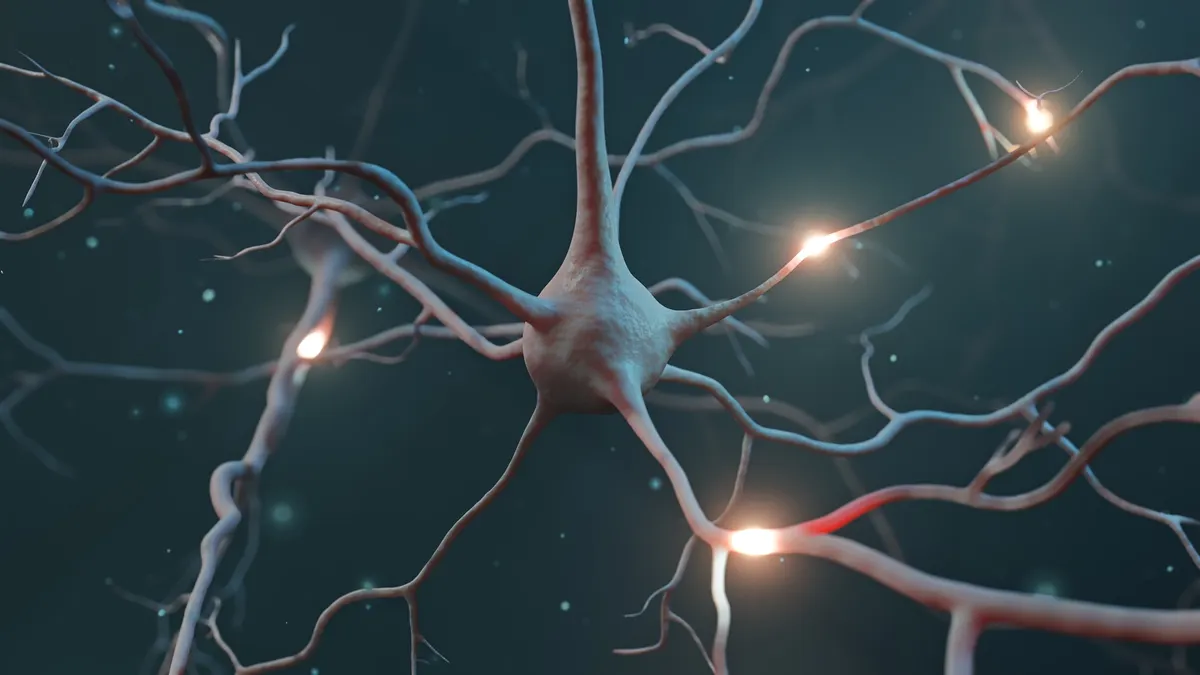
Neurona Therapeutics is conducting early-stage cell therapy trials for a form of treatment-resistant epilepsy. Image courtesy of EQT Life Sciences.
Through an acquisition announced on Friday, the Belgian pharmaceutical company UCB has invested over $1 billion in a cutting-edge drug currently being tested as a potential therapy for several forms of epilepsy as well as Alzheimer’s disease.
UCB has proposed acquiring the privately held company Neurona Therapeutics for an upfront payment of $650 million, with a commitment to pay the remaining $500 million in the future, contingent upon the progress of the project. If the deal closes, UCB will gain access to an experimental therapy that utilizes pluripotent stem cells to induce brain calming and repair neural networks.
The therapy, designated NRTX-1001, is currently being evaluated in clinical trials for the treatment of a common, treatment-resistant form of epilepsy affecting the "medial temporal lobe" region of the brain.
This asset will enrich UCB’s epilepsy treatment pipeline, which currently consists entirely of small-molecule drugs. These medications include Vimpat, Keppra, Briviact, and Fintepla—the latter being the most recently approved drug in the U.S. for treating a rare and severe form of childhood epilepsy that often leads to long-term disability. In 2025, net sales for Briviact and Fintepla alone are projected to reach nearly €1.2 billion, or approximately $1.3 billion.
In a statement, the company noted that the acquisition "marks a strategic expansion into the fields of regenerative medicine and advanced therapies," while also demonstrating its "commitment to non-organic growth" and to providing epilepsy solutions that "go beyond symptom management."
"We believe this therapy has the potential to deliver durable, targeted repair of the nervous system following a single administration, and could represent a significant step forward for people living with medial temporal lobe epilepsy," CEO Jean-Christophe Tellier stated.
Although the research and development costs for cell therapies are typically high and their implementation can be challenging, they have proven to be effective tools in the fight against certain forms of cancer. Increasing evidence suggests that these therapies also aid in combating diseases associated with the immune and nervous systems—a development that, in turn, has sparked investor interest. For instance, as early as 2024, Neurona raised $120 million in a financing round co-led by Viking Global Investors and Cormorant Asset Management to support its research.
 Service Hotline
